

In this article
Understanding Dog Teeth Cleaning Costs
Professional dog teeth cleaning is one of those veterinary expenses that catches a lot of pet parents off guard. Prices can range widely, and it helps to know why. The truth is that your vet's location, your dog's age, and the extent of any existing dental disease all play a role in what you'll actually pay.
The good news? You're not helpless. There are proven ways to keep costs down and keep your dog's teeth healthier for longer. The key is understanding what you're paying for and what you can do at home to reduce the need for expensive procedures down the road.
Let's walk through the real costs, what affects them, and the best tools and strategies to protect your dog's dental health. If you're looking for practical at-home solutions to support your vet's work, PetsAgree offers a range of dental care products that can make a real difference.
What Drives Professional Teeth Cleaning Costs?
Several factors influence how much you'll pay for a professional cleaning:
- Anesthesia: Dogs require anesthesia during professional cleanings, which adds to the cost. Your vet needs to keep your pup safe and still during the procedure.
- Pre-cleaning bloodwork: Vets often recommend blood tests before anesthesia, especially for older dogs. This ensures your dog is healthy enough for the procedure.
- Tooth extractions: If your dog has severely damaged or diseased teeth that need removal, each extraction costs extra.
- Periodontal disease treatment: Dogs with gum disease require specialized cleaning and may need additional therapeutic care, which increases the bill.
- Vet type and location: General veterinary practices typically charge less than specialty dental clinics. Urban practices often cost more than rural ones.
- Your dog's age and health: Older dogs or those with existing health conditions may require more extensive monitoring during and after the procedure.
The best approach is to call your vet and ask for a quote based on your dog's specific needs.
Prevention Is Cheaper Than Treatment
The most effective way to manage teeth cleaning costs is to prevent dental disease in the first place. Regular at-home brushing significantly reduces how often your dog will need professional cleanings and how extensive those cleanings need to be.
Daily or near-daily tooth brushing is the gold standard. It removes plaque before it hardens into tartar, which is what your vet removes during professional cleanings. Even a few minutes a day makes an enormous difference over time.
Tools like the Soft Silicone Toothbrush & Tongue Sper for Dogs and Cats and the GentlePaws FingerBrush – Soft Silicone Toothbrush for Easy Pet Oral Care make it easier to get into your dog's mouth without drama. Silicone bristles are gentler than traditional nylon, and dogs typically tolerate them better.
Beyond brushing, dental chews and toys that naturally clean teeth help maintain oral health between brushes. Toys designed to massage gums while your dog chews also support gum health and can reduce plaque buildup.
At-Home Dental Care: Your Best Investment
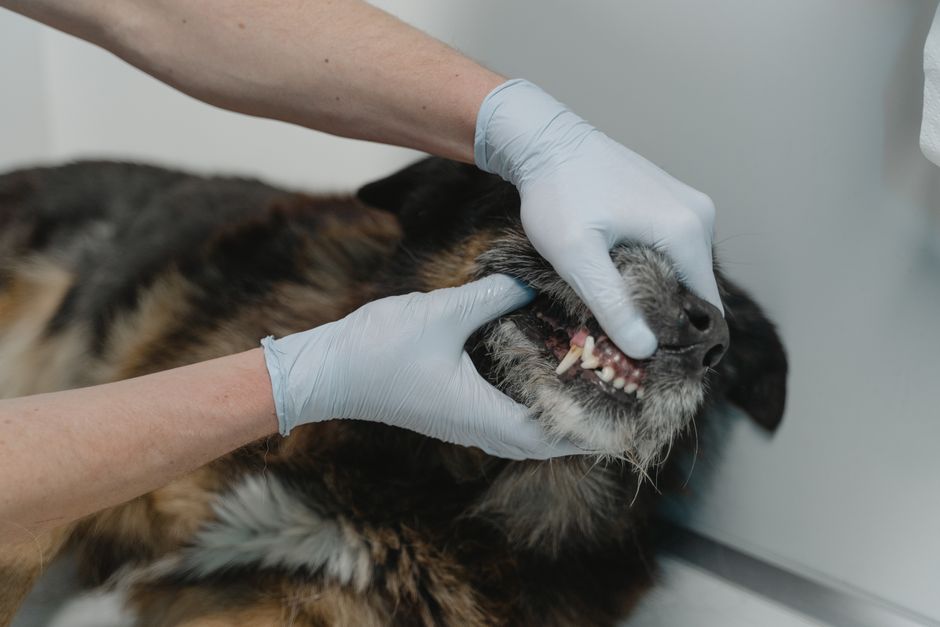
Smart at-home dental care is the most cost-effective way to protect your dog's teeth and reduce how much you'll spend on professional cleanings.
A good silicone toothbrush costs far less than even one professional cleaning. When you use it regularly, you may be able to extend the time between professional visits or reduce the complexity of those cleanings, saving hundreds of dollars over your dog's lifetime.
Dental gels designed specifically for pets can also help. Products like FreshPaws™ Pet Oral Repair Gel – The Ultimate Smile Saver for Cats & Dogs are applied after brushing or can be used on their own if your dog resists traditional brushing. These gels support oral health and help freshen breath without needing a vet visit.
Many dogs also respond well to chewing on toys that naturally clean their teeth. Even simple chewing behavior helps reduce tartar accumulation.
Comparing Professional Cleaning vs. At-Home Care
| Option | Best For | Key Advantage | Cost Factor |
|---|---|---|---|
| Professional Vet Cleaning (General Practice) | Tartar removal & disease detection | Deep cleaning under anesthesia | $300–$500 |
| Professional Dental Specialty Clinic | Complex cases & extractions | Expert care, advanced equipment | $500–$1000+ |
| Daily Brushing with Silicone Toothbrush | Prevention & maintenance | Reduces tartar buildup, extends time between professional cleanings | $15–$30 |
| Dental Gel & Oral Repair Products | Supporting gum health & breath | Easy application, supports overall dental health | $10–$20 |
| Dental Chews & Toys | Natural plaque reduction | Gentle cleaning through natural chewing | $5–$25 |
| Combined Prevention Strategy (PetsAgree Tools) | Maximum cost savings & oral health | Reduces frequency and complexity of professional cleanings | $30–$50/year |
Our Pick: The Prevention-First Approach with PetsAgree
The smartest strategy isn't choosing between professional and at-home care—it's doing both. Professional cleanings are necessary and important, especially for dogs with existing dental disease. But the real money-saver is investing in consistent at-home dental care to reduce how often you need those expensive procedures.
PetsAgree makes it simple to build a dental care routine that actually sticks. Their silicone toothbrushes are soft enough that most dogs tolerate them without fuss, and they're affordable enough to replace regularly. Pairing a good toothbrush with a dental gel takes just minutes each day and can save you hundreds of dollars over your dog's lifetime by keeping professional cleanings less frequent and less intensive.
If your dog already has tartar or gum disease, you'll still need a professional cleaning. But once that's done, use PetsAgree's preventive tools to keep your pup's teeth healthier going forward. The combination approach is where real savings happen.
Frequently Asked Questions

How often should dogs have professional teeth cleanings?
Most dogs benefit from a professional cleaning once per year. Dogs with existing periodontal disease or those prone to tartar buildup may need cleanings every six months. Regular at-home brushing can extend the time between cleanings or reduce how often they're needed. Your vet will recommend a schedule based on your dog's individual dental health.
Is anesthesia safe for older dogs during teeth cleaning?
Modern veterinary anesthesia includes safety protocols to protect your dog. Many vets recommend pre-cleaning bloodwork for senior dogs to ensure they're healthy enough for the procedure. If your older dog has existing health conditions, discuss this with your vet—they may recommend additional monitoring or adjustments to keep the procedure safe.
Can at-home brushing replace professional cleanings?
No. While at-home brushing is essential for prevention and maintenance, it cannot remove tartar that has already hardened on your dog's teeth. Only a professional cleaning under anesthesia can do that. However, consistent brushing can significantly reduce how much tartar builds up between professional visits, making those cleanings less extensive and less costly.
What's the best way to start brushing my dog's teeth?
Start slowly and positively. Let your dog lick a pet-safe toothpaste off your finger first, then gently introduce a soft toothbrush. Even a few seconds of brushing is a good start. Most dogs adapt quickly when the experience is positive and brief. Consistency matters more than perfection—even brushing three to four times per week makes a real difference.