

If you're wondering how often you should brush your cat, you're already thinking like a caring pet owner. The answer isn't one-size-fits-all, but the good news is that brushing is one of the easiest ways to keep your cat's coat healthy, reduce shedding, and catch potential skin issues early.
The frequency depends on your cat's coat type, how well they self-groom, and their individual needs. Let's walk through the specifics so you can nail a routine that works for both you and your feline friend.
In this article
Brushing by Coat Type: What Your Cat Really Needs
Short-haired cats are the lowest-maintenance group. Brushing them once to twice weekly is usually enough to keep their coat in good shape and manage loose fur. These cats do a pretty good job grooming themselves, so you're mainly helping prevent hairballs and keeping stray hairs off your furniture.
Related: Best Dog Grooming Brush for Golden Retrievers 2026: Top 5 Ranked
Medium-haired cats need a bit more attention. Aim to brush at least every other day to prevent mats and tangles from forming. Their coat is thick enough that loose hair can hide underneath, so regular brushing helps you stay on top of shedding before it becomes a household issue.
Long-haired cats require daily brushing. This is where consistency really matters. Daily sessions keep their flowing coat free from mats, reduce tangles, and minimize the amount of loose hair they ingest during self-grooming. If you skip days with a long-haired cat, you might wake up to some frustrating knots.
Curly-coated breeds need gentle, occasional brushing. Their unique texture is delicate, so less frequent, softer handling is the way to go. Focus on preventing matting rather than aggressive brushing.
Beyond coat type, some cats simply don't self-groom as effectively as others. Older cats, overweight cats, or those with mobility issues may need more frequent brushing than standard recommendations. Watch your individual cat and adjust accordingly.
When you're ready to start, PetsAgree carries grooming tools designed specifically for different coat types, so you can choose the right brush for your cat's needs.
Related: How to Choose the Right Cat Toy: A Simple Guide
Related: Best Orthopedic Bed for Senior Dogs: Complete Buyer's Guide
Related: Pet Massage Comb Benefits for Shedding: Complete Guide
Why Brushing Matters Beyond Looks
Regular brushing does way more than keep your cat looking polished. It's essential for coat health. Brushing removes dead hair, prevents matting that can pull on the skin, and distributes natural oils throughout the coat. This keeps everything balanced and reduces inflammation or irritation underneath.
Brushing also cuts down on shedding around your home. You're removing loose hair before it ends up on your couch, clothes, and everything else. Anyone with a cat knows how much fur can accumulate between cleanings.
Another huge benefit: you're preventing hairballs. When cats self-groom, they ingest loose fur. Regular brushing reduces the amount they swallow, which means fewer hairballs and less digestive upset.
Finally, brushing sessions are a great opportunity to spot skin problems early. You might notice dry patches, bumps, or signs of fleas before they become serious. Catching these things early makes treatment easier.
Choosing the Right Brush for Your Cat
Not all brushes are created equal. Using the wrong tool can frustrate both you and your cat, and it might not actually remove loose hair effectively.
For short-haired cats, a rubber brush or soft slicker brush works well. These tools are gentle enough that most cats don't mind them, and they grab loose hair without pulling.
Long-haired cats benefit from a wide-tooth comb or a two-sided brush that handles both mats and loose undercoat. Start with the wider side to work through tangles, then switch to the finer side for loose fur.
The Silicone Pet Grooming Fur Brush is a popular choice because it's gentle, effective for multiple coat types, and most cats tolerate it well. The soft silicone won't scratch sensitive skin, and it removes loose hair efficiently.
If you want to level up your grooming routine, the FurEase Spa Brush offers a 2-in-1 design that works during grooming and bath time, making it versatile for different situations.
Making Brushing a Habit Your Cat Actually Enjoys
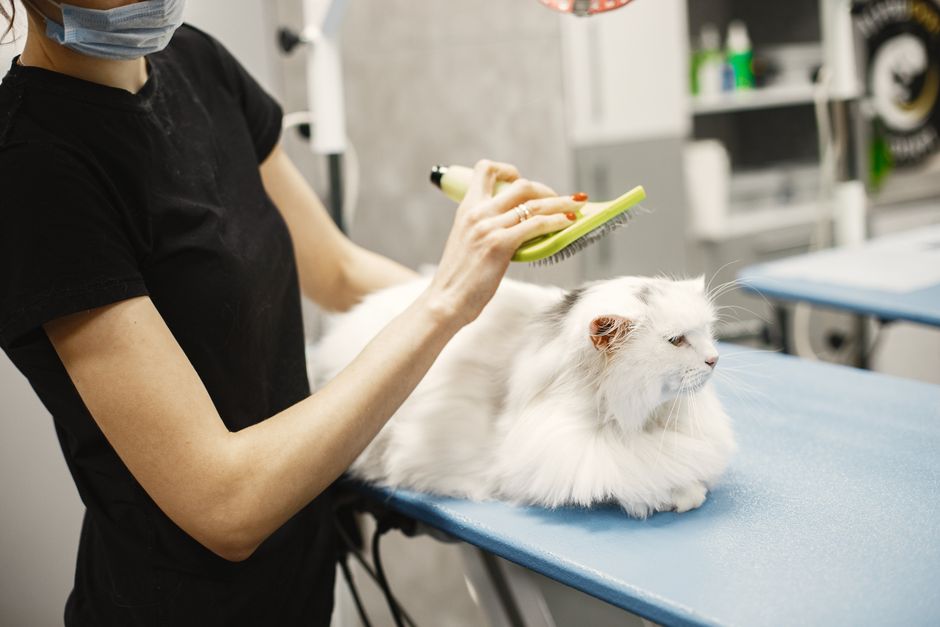
The best brushing routine is one you'll actually stick to. Here's how to make it part of your regular pet care:
- Set a specific time each day or week. Consistency helps your cat get used to the routine and makes it easier for you to remember.
- Keep sessions short, especially when you're starting out. Five to ten minutes is often enough, and your cat is more likely to cooperate if it doesn't feel like a chore.
- Brush in a calm environment where your cat feels safe. Some cats prefer being on your lap, while others like standing on a table. Find what works.
- Reward your cat with treats or affection after brushing. Positive associations mean your cat will look forward to (or at least tolerate) the sessions.
- Be gentle around sensitive areas like the belly, chest, and legs. Many cats are touch-sensitive in these spots.
If your cat really resists brushing, try a different brush type or handle. Sometimes it's just about finding the tool and technique that feels right to them.
Managing Loose Hair and Keeping Your Home Clean
After you brush, you'll have a pile of loose fur. The easiest way to handle it is to brush over a trash can or mat and dispose of the hair immediately. This keeps loose strands from spreading around your home.
For furniture, the Reusable Pet Hair Remover with Wooden Handle is a handy backup. It picks up hair that's already settled on couches and chairs, and it's washable so you can use it over and over.
Vacuuming after brushing sessions helps catch any hair you might miss. With regular brushing plus a quick vacuum, you'll notice a real difference in how much fur ends up around your home.
Tracking Your Cat's Brushing Schedule
Keep a simple brushing log. Even just noting the dates you brush helps you spot patterns and stay consistent. Some people set phone reminders for weekly brushing sessions, especially when they're just getting started.
If your cat's coat or skin changes, adjust your brushing frequency. Seasonal shedding might call for more frequent brushing in spring and fall. Changes in your cat's behavior or appearance are worth paying attention to.
When you need guidance on finding the right grooming tools or want to explore options that might work better for your specific cat, the team at PetsAgree can help you find exactly what you need to keep your cat comfortable and healthy.
FAQs About Cat Brushing Frequency

What if my cat hates being brushed?
Start with very short sessions (just a minute or two) and use a brush that feels gentle to them. Some cats respond better to rubber brushes than metal ones. Let your cat walk away whenever they want, and always reward them after. It's better to build positive associations over time than to force long sessions. Some cats simply tolerate brushing more than others, and that's okay.
Can I brush my cat too much?
Not really. More frequent brushing won't hurt your cat, and for long-haired breeds, daily brushing is actually the recommendation. The only exception is if you're using a tool that's too harsh or pulling on the skin. As long as you're gentle and using the right brush for your cat's coat type, regular brushing is beneficial.
Is brushing necessary if my cat grooms themselves?
Yes. Even self-grooming cats benefit from regular brushing. Self-grooming removes some loose hair and keeps the coat generally tidy, but it doesn't prevent mats, catch all the loose undercoat, or reduce shedding the way brushing does. Plus, regular brushing lets you monitor your cat's skin health and catch problems early.
What's the difference between brushing and combing?
Brushes remove loose hair and work through tangles, while combs are better for detangling and getting down to the undercoat. Many cat owners benefit from using both. A brush might be your main tool, and a comb can help you address specific mats or work through the undercoat on medium or long-haired cats.