

Picking the right cat toy comes down to understanding what your cat naturally loves to do and then matching toys to those instincts. The best toy is one your cat will actually engage with, so let's walk through how to find it.
In this article
Tap Into Your Cat's Natural Hunting Instincts
Cats are born hunters, even if they've never caught anything in their lives. Every cat wants to chase, pounce, bat, and stalk. When you choose a cat toy, you're basically giving your pet permission to be a tiny predator.
Look for toys that move unpredictably. Toys that skitter across the floor, flutter through the air, or dangle from a string trigger your cat's prey drive hard. A wand toy with feathers or a ribbon works because it mimics the erratic movements of a bird or small creature.
Some cats go wild for anything they can chase. Others prefer toys they can carry in their mouth and shake. The key is to observe what makes your cat's pupils dilate and tail twitch. That's your clue.
When you're ready to stock up, check out 2 Wands with Base & 6 Feather Interactive Cat Toy Set to give your cat multiple hunting scenarios.
Consider Your Cat's Texture Preferences
Not all cats like the same textures. Some cats love sinking their teeth into soft, plush toys for biting and kneading. Others prefer smooth, hard toys they can bat around without getting a mouth full of fuzz.
Soft toys are great for cats that like to carry things around and bunny-kick. Feathered or fuzzy toys appeal to cats who want tactile feedback. Hard plastic or rubber balls might be perfect for your cat if they're the type to slap things across the room.
Pay attention to what your cat reaches for. Does she grab the soft mouse toy first, or does she ignore it and go straight for the ball? Texture preference is real, and respecting it means your cat will play more.
Test Multiple Toys to Find What Sticks
Here's the truth: you won't know what your cat loves until you try it. Buy a variety. Get a feathered wand, a crinkly mouse, a bell ball, a puzzle toy, and maybe something interactive.
Rotate them too. A toy your cat ignored for weeks might suddenly become a favorite after a break. New things feel fresh, and rotation keeps playtime interesting.
Watch how your cat interacts with each toy. Does she pounce immediately? Does she lose interest after 30 seconds? Does she carry it away and hide it? These behaviors tell you a lot about what engages her brain and body.
Offer Variety in Toy Types

Cat toys fall into a few main categories, and most cats benefit from having at least one type in rotation.
Interactive toys require your participation. Wand toys, laser pointers, and string toys are interactive because you control the action. This type of play is great for bonding and tiring out high-energy cats.
Inanimate toys sit there waiting. A ball, a mouse toy, or a crinkly toy doesn't need you. Your cat can play alone, anytime. These are perfect when you're busy or sleeping.
Puzzle toys make your cat think. They might hide treats inside or require your cat to figure out how to get a reward. These keep smart cats mentally sharp and entertained for longer periods.
Electric or moving toys do the work for you. Some toys move on their own, roll around, or make noise without your input. Cats can chase them independently.
Related: Electric Pet Spray Comb for Grooming: A Guide
Having one or two from each category gives your cat options and prevents boredom. When you shop at PetsAgree, you'll find toys covering all these types so you can build a well-rounded play collection.
Pay Close Attention to Safety
Not every toy is safe for every cat. Before you buy, think about your cat's play style and age.
Avoid toys with small, detachable parts if your cat is a chewer. A loose button or bead is a choking hazard. Skip toys with long strings or ribbons if your cat is known to swallow non-food items—string can cause serious intestinal blockages.
Kittens and senior cats might need different toys than active adults. Kittens need toys that are durable and safe to chew. Older cats might prefer gentler toys that don't require jumping or hard impact.
Check toys regularly for wear and tear. A stuffed toy losing its stuffing or a toy with a broken piece is time to retire it. Replace damaged toys before they become hazards.
Match the Toy to Your Cat's Personality
Some cats are couch potatoes. Others are parkour champions. Some are social and want to play with you. Others are solo players.
If your cat is lazy, a toy that doesn't require much energy might be more appealing. A soft toy to carry around or a gentle rolling ball could be perfect. If your cat is high-energy, give her something that demands speed and agility.
Is your cat social? Interactive toys that involve you will hold her attention longer. Is she independent? Toys she can play with alone, like puzzle feeders or moving toys, are ideal.
Your cat's personality is unique. The toy that works for your friend's cat might be boring for yours. That's okay. The goal is to match the toy to the actual cat in front of you, not to some idea of what cats should like.
Create a Rotation System
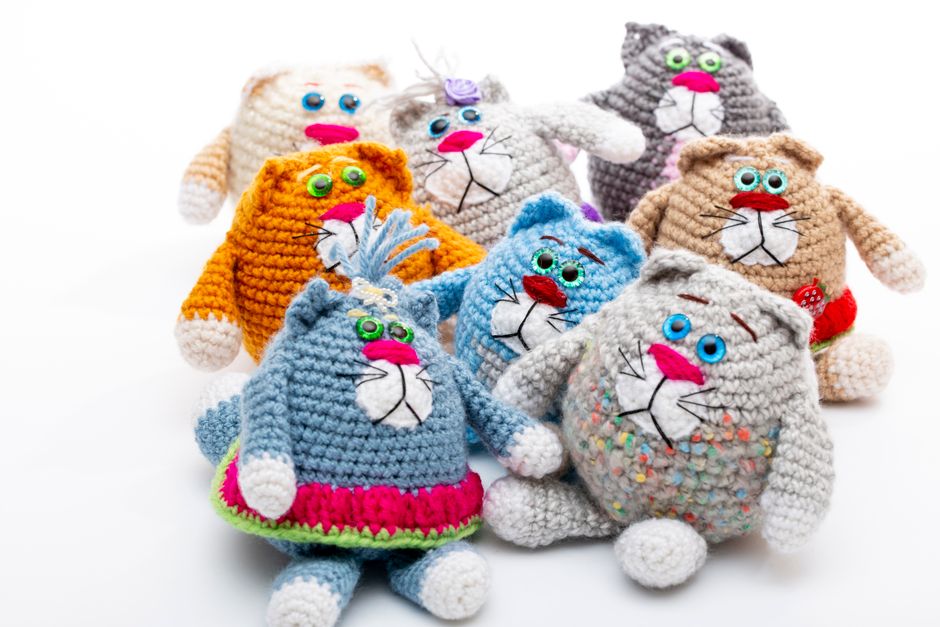
Once you've figured out which toys your cat loves, use them strategically. Leave out two or three favorite toys, then put the rest away for a week or two. When you bring them back out, they feel new again.
This keeps play fresh and exciting. It also means toys last longer because they're not being destroyed nonstop. Your cat stays interested, and your wallet thanks you.
Set aside time each day for interactive play too. Grab a wand toy and play with your cat for 10-15 minutes. This strengthens your bond, tires your cat out, and gives you a chance to see which toys she responds to best.
Where to Start Your Cat Toy Search
If you're overwhelmed by choices, start simple. Pick one interactive toy (like a wand), one soft toy (like a plush mouse), and one toy that moves on its own or entertains solo play. That gives you a good foundation.
Related: Pet Care Basics: A Simple Guide to Daily Health & Wellness
Related: Pet Grooming Supplies for New Dog Owners: The Complete Guide
Spend a week watching how your cat reacts. Take notes on which toys get played with most. Which ones does she ignore? Which ones does she carry around? Use that feedback to make your next purchase.
When you're ready to expand your collection, PetsAgree has a range of options that fit different play styles and preferences. You can browse, compare, and pick toys knowing you're getting quality products.
Do all cats like the same toys?
No. Cat preferences vary wildly. Some cats are obsessed with feathered wands, while others ignore them completely. Some love crinkly toys, others find them annoying. The only way to know what your cat likes is to test different types and watch her reaction.
How many toys does my cat need?
You don't need dozens. Four to six toys that cover different types (interactive, soft, puzzle, moving) is enough to keep things interesting. Rotate them to make old toys feel new again.
What's the safest type of toy for cats?
Solid toys with no detachable parts are generally safest. Avoid toys with long strings, small buttons, or anything a determined chewer could break apart. Supervise play with wand toys so strings don't get swallowed. When in doubt, pick durable toys made from safe materials.
Can I make my own cat toys?
You can, but commercial toys are tested for safety and durability. If you DIY, use only safe materials like fabric, paper, or untreated wood. Avoid anything with glue, paint, or small pieces that could be ingested. Sometimes buying a proven toy from PetsAgree is the safer, smarter choice.