

Pet grooming is way more than just making your furry friend look cute (though that's a nice bonus). Regular grooming keeps your pet's coat healthy, prevents matting, spreads natural oils across their skin, and helps you catch any lumps, bumps, or skin issues early. When you establish a grooming routine instead of waiting until your pet gets matted or really dirty, you're investing in their overall wellness and comfort.
In this article
- Why Pet Grooming Matters for Your Pet's Health
- The Basics: Brushing and Bathing
- Nail Trimming and Paw Care
- Setting Up the Perfect Grooming Environment
- Training Your Pet to Love Grooming
- When to Call in a Professional Groomer
- Building a Grooming Schedule That Works for You
- Common Pet Grooming Mistakes to Avoid
- Frequently Asked Questions
Why Pet Grooming Matters for Your Pet's Health
Think of grooming like brushing your own teeth. You wouldn't wait until your teeth are covered in plaque to start brushing, right? Same deal with your pet.
Related: Pet Grooming Supplies for New Dog Owners: The Complete Guide
Regular brushing and combing remove dirt, shed hair, and debris from your pet's coat. This process also spreads the natural oils your pet's skin produces, which keeps their fur shiny and their skin happy. When you skip brushing, mats form, dirt gets trapped, and your pet becomes uncomfortable.
Beyond the coat, pet grooming gives you a chance to check your pet's ears, paws, teeth, and skin. You might spot redness, lumps, or other things that need a vet's attention. Plus, keeping nails trimmed prevents your pet from limping or developing joint problems down the line.
If you're ready to level up your grooming game, PetsAgree has all the tools you need to get started at home.
Related: Best Dog Grooming Tools 2026: Top 6 Ranked
The Basics: Brushing and Bathing
Start with the foundation of any grooming routine: brushing your pet regularly.
Related: Best Dog Grooming Brush for Golden Retrievers 2026: Top 5 Ranked
Brushing removes dead hair, prevents tangles, and keeps your pet's coat in top shape. How often? That depends on your pet's coat type. Dogs and cats with longer or thicker coats need daily or every-other-day brushing. Shorter-coated pets might do fine with weekly brushing. The key is making it a habit so mats don't sneak up on you.
A Silicone Pet Grooming Fur Brush is gentle and works well for most coat types. For more intensive grooming, the Hair Removal & Massage Electric Pet Spray Comb helps remove loose fur and provides a relaxing massage at the same time.
Related: Electric Pet Spray Comb for Grooming: A Guide
When it comes to baths, keep the water warm but not hot. Cold water stresses your pet; water that's too hot can burn their sensitive skin. Use a gentle pet shampoo (never human shampoo), and make sure you rinse thoroughly to remove all soap residue. After the bath, wrap your pet in a warm, absorbent towel. If your dog tolerates it, the PawDry Hooded Bathrobe is a cozy way to dry and keep them warm after their bath.
Nail Trimming and Paw Care
Long nails are uncomfortable and can actually change the way your pet walks. Overgrown nails put pressure on the joints and can lead to limping or pain over time.
You have two main options: trim nails at home or have a groomer do it. If you go the DIY route, invest in a quality clipper. The Rechargeable Cordless Dog Nail Clipper is easy to handle and reduces stress for pets who are nervous about nail trims.
Trim just the clear or white part of the nail, not the pink quick (the part with blood vessels). If you're not sure how much to cut, trim a little bit at a time. It's easier to trim more than to fix a nail you cut too short.
Don't forget about the paws themselves. After walks or playtime outside, use the PawClean Pro Cup to quickly rinse dirt and debris from your pet's paws. It's way faster than giving a full bath and keeps your floors cleaner too.
Setting Up the Perfect Grooming Environment

Where you groom your pet matters more than you might think. Temperature and lighting affect both your comfort and your pet's behavior.
Make sure your grooming space is warm and comfortable, not too hot or too cold. Pets get anxious in uncomfortable temperatures, and you won't do your best work if you're shivering or sweating. Good lighting helps you see what you're doing, spot any skin issues, and keep your pet safe.
If your pet is nervous about grooming, start with short sessions in a familiar, calm space. Let them get used to the routine gradually. Some pets even learn to enjoy it, especially if they associate grooming with treats and positive attention.
Training Your Pet to Love Grooming
Here's the thing: if you train your dog or cat early to be cool with grooming, your life gets way easier. Start when they're young, handle their paws and ears gently, and reward them with treats and praise.
Make grooming feel like playtime, not punishment. Short sessions work better than marathon grooming days. If your pet associates grooming with good things (treats, praise, getting to play afterward), they'll be way more cooperative.
Remember, every pet is different. Some love the attention and the feeling of being clean. Others need time to warm up to it. Be patient and consistent.
When to Call in a Professional Groomer
Not everyone has the time, space, or confidence to groom their pet at home. That's totally okay. Professional groomers are trained to handle nervous pets, deal with severe matting, and give your pet a spa-level experience.
Some groomers are certified and have special training in handling different breeds and coat types. If you're unsure about any part of grooming, a professional can show you the ropes or handle it entirely.
Mobile grooming services are also available in many areas. A groomer comes to your home with a fully equipped mobile salon, which is super convenient if your pet gets anxious traveling or you just want to skip the trip.
Whether you groom at home or use a professional, the most important thing is consistency. A regular grooming schedule keeps your pet comfortable, healthy, and happy. Stock up on the tools and products you need at PetsAgree, and you'll have everything ready to go.
Building a Grooming Schedule That Works for You
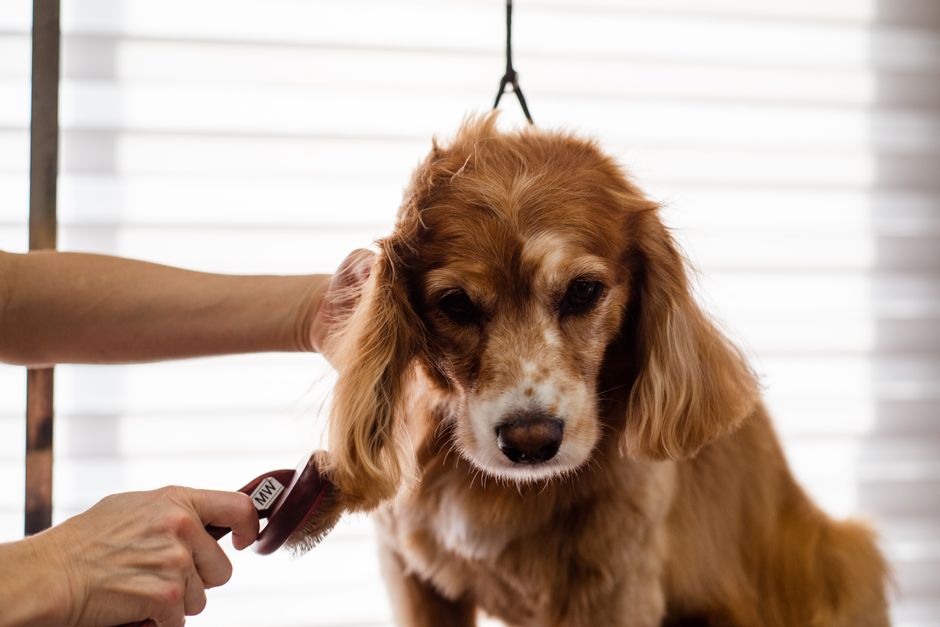
Your pet grooming routine should fit your life, not the other way around. Here's what a basic schedule might look like.
- Daily or every other day: Brush your pet's coat to prevent mats and keep their skin healthy.
- Weekly or biweekly: Check and trim nails if needed (every 3-4 weeks is typical for most pets).
- Once a month: Give a full bath and check ears, paws, and skin for any issues.
- As needed: Wipe paws after outdoor time with the PawClean Pro Cup or a damp cloth.
Adjust this based on your pet's coat type, activity level, and personal needs. A dog that plays in the mud every day needs more frequent baths than a couch potato.
Common Pet Grooming Mistakes to Avoid
Skip these and you'll make grooming easier on yourself and your pet.
- Waiting too long between brushing: Mats are way harder to remove than to prevent. Brush regularly, even if your pet's coat looks fine.
- Using the wrong tools: A cheap brush that pulls on hair or a human shampoo that irritates skin makes your pet dread grooming. Invest in pet-specific tools.
- Rushing: Grooming takes time. If you're stressed and hurried, your pet will feel that energy and get anxious too.
- Ignoring temperature: Your pet can get chilled or overheated during grooming. Keep the space comfortable.
- Not training early: If your pet never gets used to grooming as a puppy or kitten, they'll be harder to groom as an adult.
Frequently Asked Questions
How often should I bathe my pet?
Most pets do fine with a bath once a month, but it depends on their lifestyle and coat type. Dogs that play outside frequently or have oily coats might need baths every 2-3 weeks. Dogs with dry skin or sensitive coats might only need one every 6-8 weeks. Ask your vet or a professional groomer for a recommendation based on your pet's specific needs.
Can I use human shampoo on my pet?
No. Human shampoo has a different pH level than pet skin and can irritate, dry out, or damage your pet's coat. Always use a shampoo formulated for dogs or cats.
What do I do if my pet has matted fur?
For small mats, try gently working them out with a brush or comb, starting from the outside and working inward. For large, severe mats, it's safer to have a professional groomer handle it. Trying to cut out mats yourself can accidentally cut your pet's skin. Prevention with regular brushing is way easier than dealing with mats after the fact.
Is it normal for my pet to shed a lot during grooming?
Yes, totally normal. Brushing removes loose hair that's ready to fall out anyway. You might be surprised how much hair comes out, but that's a sign you're doing the grooming your pet needs. Regular brushing actually reduces shedding around your home in the long run because you're removing that hair before it ends up on your furniture and clothes.