

If you're looking for a gentler way to groom your cat, silicone pet brushes for cats are worth your attention. Unlike traditional metal bristles, silicone brushes won't pull out healthy fur, making them a safer option for cats who hate grooming or have sensitive skin.
The best silicone brushes feature flexible nodules instead of rigid bristles. These soft bristles massage your cat's skin while smoothing the topcoat and removing loose fur. Most are designed to work on both cats and dogs, so if you have multiple pets, one brush does double duty.
Let's walk through what makes these brushes special, how to use them, and whether they're the right choice for your feline friend.
Related: Best Pet Bedding for Small Dogs and Cats 2026: Top 5 Ranked
In this article
Why Silicone Brushes Are Different from Traditional Brushes
Silicone brushes operate on a completely different principle than wire slicker brushes or metal combs. The bristles are soft and bendy, not hard and pointy. This means they can't snag or pull healthy fur the way traditional grooming tools sometimes do.
Related: Best Pet Grooming Brush for Shedding Dogs: Our Top Picks
Your cat's skin is sensitive, and a harsh brush can feel uncomfortable or even painful. Silicone bristles glide through the coat with a massaging action instead. Many cats find this soothing rather than stressful, which is huge if you have a pet that normally resists grooming.
The flexible nodules also work well on tangled or matted fur without yanking. They separate knots gently and remove loose hair before it ends up on your furniture. If your cat sheds heavily, a silicone brush catches that loose fur before it becomes a problem.
Key Benefits You'll Actually Notice
When you start using a silicone brush on your cat, several things happen pretty quickly.
Related: Best Soft Silicone Toothbrush for Dogs That Actually Works
- Less shedding around your home. Silicone brushes are excellent at removing loose fur before it falls out naturally. You'll notice less hair on your couch, clothes, and floor.
- Reduced dander buildup. Regular brushing helps keep dander under control, which is good for your home's air quality and your cat's comfort.
- Smoother, shinier coat. The massaging action stimulates healthy blood flow to your cat's skin and smooths down the outer layer of fur. Your cat's coat will look and feel better.
- A calmer cat during grooming. Because silicone brushes aren't painful or uncomfortable, many cats tolerate grooming sessions much better. Some even enjoy them.
- Tangle and mat prevention. Using a silicone brush regularly keeps minor tangles from becoming serious mats that need to be shaved out.
Most of these benefits show up within your first few grooming sessions. If your cat currently hates being brushed, switching to a silicone brush might completely change the experience.
How to Use a Silicone Brush on Your Cat
Using a silicone brush is straightforward, but technique matters. Start with short sessions so your cat gets used to the feeling.
Gently brush in the direction of hair growth. Apply light pressure. You're not trying to scrub or work hard at tangles. Let the flexible bristles do the work. Many silicone brushes come with two sides, so try both and see which your cat prefers.
Focus on areas where mats form most easily: behind the ears, armpits, and the belly. Brush your cat when they're already relaxed, like after a meal or during a chill evening.
If your cat sits still for even five minutes, that's a win. Consistency beats duration. Brushing your cat three times a week for five minutes is better than fighting for twenty minutes once a month.
When you find a brush that works for your cat's temperament and coat type, PetsAgree can help you stock the right grooming tools for regular at-home maintenance.
What to Look for When Choosing a Silicone Brush

Not all silicone brushes are created equal. Here's what separates the good ones from the mediocre.
- Two-sided design. Some silicone brushes have different bristle densities on each side. One side for sensitive areas, one for denser fur. This flexibility is a huge plus.
- Ergonomic handle. You'll be holding this brush for several minutes at a time. A comfortable grip reduces hand fatigue and makes grooming less of a chore.
- Durable silicone. Cheap silicone bristles lose their shape or become sticky over time. Quality brushes hold up through regular use and washing.
- Flexible but not flimsy. The bristles should bend easily but spring back to shape. If they feel limp or permanently bent after a few uses, the silicone quality isn't great.
- Easy to clean. Fur gets stuck in the bristles. Look for a brush that's easy to rinse or has a button that retracts the bristles for quick cleaning.
If you want to compare options and read what other cat owners are saying, check out the selection at PetsAgree to see what's currently available and what features matter most for your situation.
Common Concerns About Silicone Brushes
Before you commit to a silicone brush, let's address some questions people ask.
Will a silicone brush work on my long-haired cat? Yes, but you might need a brush with longer or less dense bristles. Long-haired cats benefit from silicone brushes just as much as short-haired cats, though you may need to brush more frequently to prevent mats from forming deeper in the coat.
Can I use the same brush on my cat and dog? Absolutely. Most silicone brushes are designed to work on both species. Just clean it between pets to avoid transferring loose fur or any skin irritants.
How often should I brush my cat? For short-haired cats, twice a week is solid. Long-haired cats benefit from daily brushing or at least four times a week. During shedding season, brush more often. The gentle nature of silicone brushes makes daily use totally safe.
What if my cat still won't sit still? Some cats resist any grooming, no matter the tool. Start with thirty-second sessions and build up. Pair brushing with treats or do it when your cat is already sleepy. A silicone brush is as gentle as it gets, but patience matters just as much as the tool itself.
When a Silicone Brush Is the Right Choice
A silicone brush works best if your cat has a healthy coat but sheds a lot, has minor tangles, or really dislikes traditional grooming. They're also ideal if your cat has sensitive skin or you want a grooming routine that feels like a relaxing massage instead of a battle.
They're not a replacement for professional grooming if your cat has serious mats, but they're excellent for maintenance between appointments.
Ready to try one? PetsAgree has a range of silicone brushes and grooming tools designed for cat owners who want quality supplies without the hassle of jumping between websites.
Making Grooming a Habit
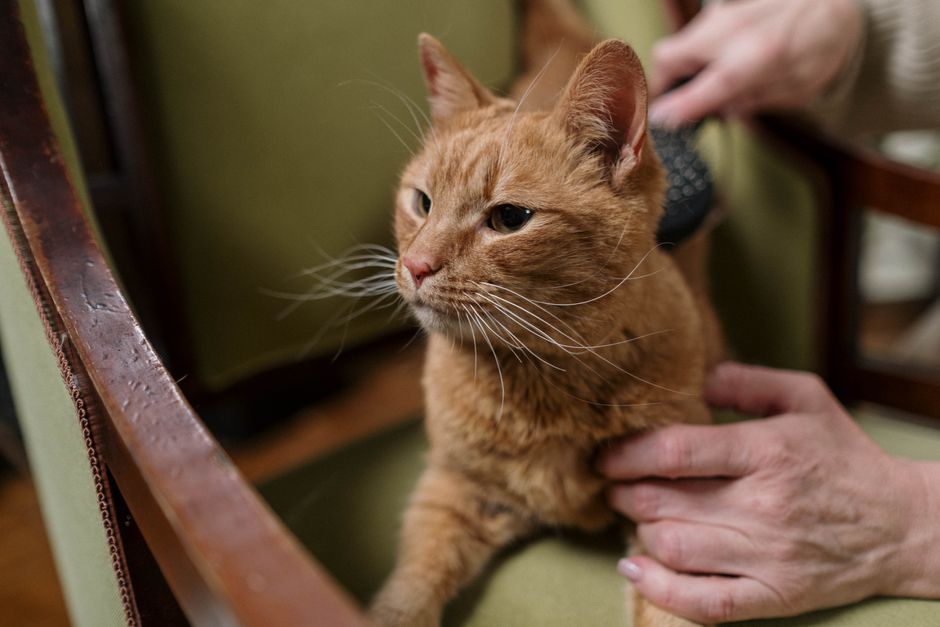
The real magic of a silicone brush is that it makes grooming something your cat might actually enjoy. When grooming stops feeling like a chore, you're way more likely to do it regularly.
Regular brushing reduces the amount of fur your cat ingests during self-grooming, keeps their coat healthy, and gives you a chance to check for any skin issues early. It's preventative care that happens right at home.
Start with a good silicone brush, pick a time your cat is naturally calm, and keep sessions short and positive. Add treats, praise, and never force it. Over time, you might build a grooming routine that's actually pleasant for both of you.
Are silicone brushes safe for kittens?
Yes. Silicone brushes are gentle enough for kittens. In fact, starting young with a soft brush can help kittens get comfortable with grooming early on. Their delicate skin and emerging coat are actually well-suited to silicone bristles.
How long do silicone brushes last?
Quality silicone brushes last several years with regular use. The bristles don't wear out the way natural or synthetic bristles do. Eventually the silicone may become less flexible if exposed to extreme heat or sunlight, but normal grooming use keeps a good brush functional for a long time.
Can I use a silicone brush on wet fur?
It's better to use a silicone brush on dry or damp fur, not soaking wet. Wet hair is more prone to breaking, and tangles are harder to work through. Towel-dry your cat first, then brush. If your cat just got a bath, wait until the coat dries to at least damp before you start grooming.
Do silicone brushes really reduce shedding?
Silicone brushes remove loose fur before it falls out naturally, so yes, they reduce the amount of shed hair you find around your home. They won't stop your cat from shedding altogether (that's normal and healthy), but they catch a lot of the loose hair before it ends up on your furniture and clothes.